Eastern Province, Saudi Arabia – 2015
In 2015, Saudi Arabia experienced its first wave of internal terrorist attacks by ISIS. While the broader region had long suffered under extremism, in Saudi it still felt distant—something witnessed only on TV. That changed on a Friday in late May, when a suicide bomber targeted a Shia mosque during noon prayers in the village of al-Qadeeh. Twenty-one people were killed. It was a moment of national shock—and a grim reminder that sectarian hate could reach us too.
It’s important to note that only a decade earlier, during King Abdullah’s reign, the Saudi Shia community had been officially recognized as part of Islam. While the gesture marked a milestone, equality in practice has remained elusive.
Just weeks after the al-Qadeeh attack, another threat was issued—this time in Dammam, where ISIS warned it would target another Shia mosque. Learning from the previous tragedy, local mosques took precautions. Women were asked not to attend prayers, and a few young men took it upon themselves to guard the mosque doors.
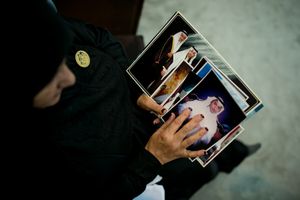
One of them was 25-year-old Jaleel, who volunteered to search worshippers entering the mosque. His older brother Mohammed, cousin, and close friend joined him. The four were not militants or security officers—they were ordinary young men with vibrant social lives, part-time jobs, and big dreams. Jaleel had just returned from the U.S. with a university degree and a wedding engagement. His brother, a community volunteer, taught Qur’an to neighborhood children and had two young sons.
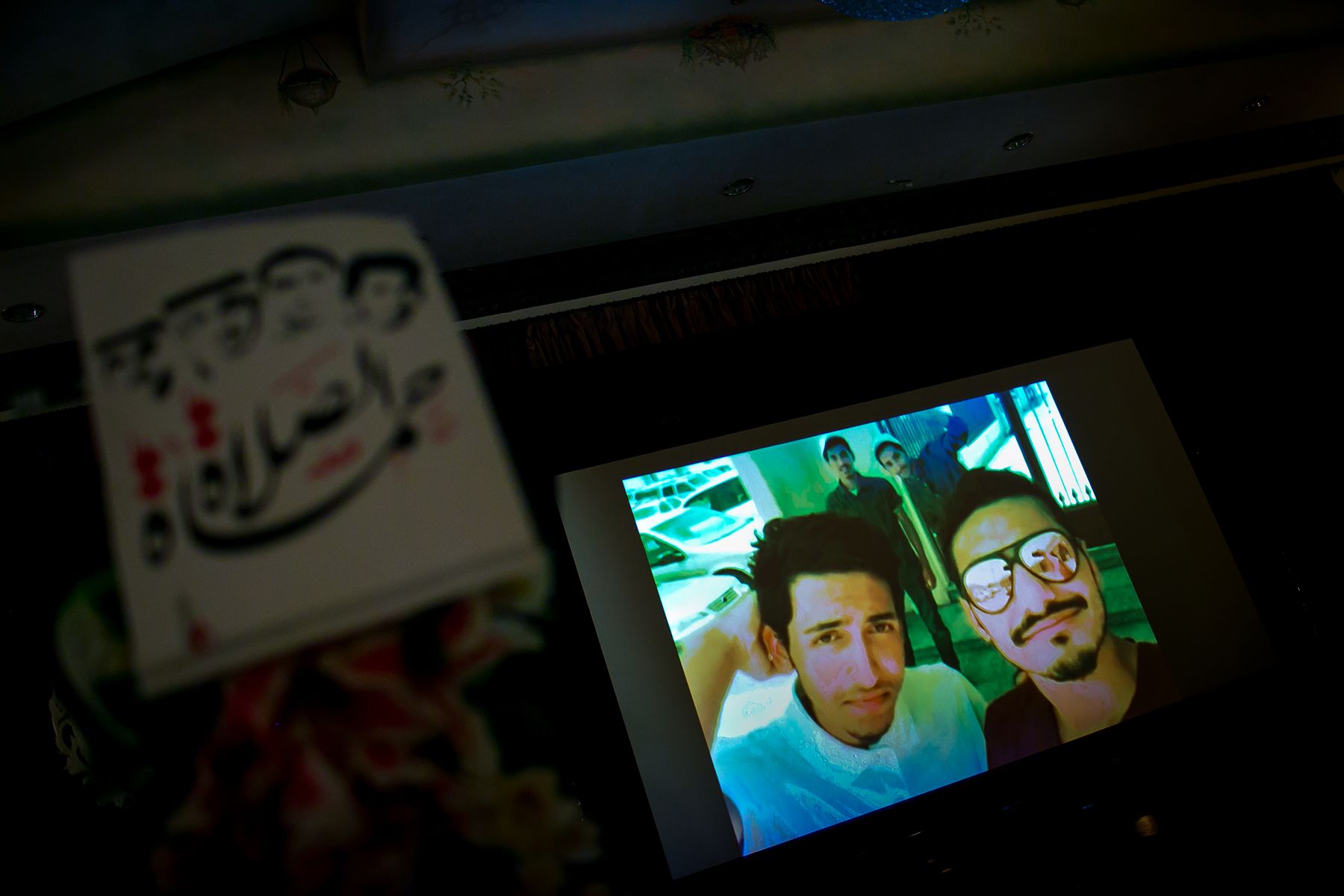
The morning of the attack, Jaleel and his brother hugged their mother goodbye, aware they might not return. Moments later, the mosque’s surveillance footage captured a final image: Jaleel and his cousin taking a selfie before charging at the suicide bomber. Jaleel managed to tear the explosive vest from the attacker’s body, saving over 600 lives.
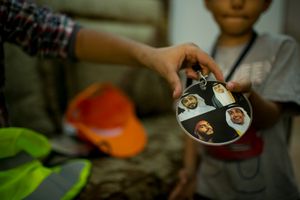
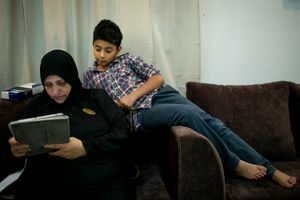
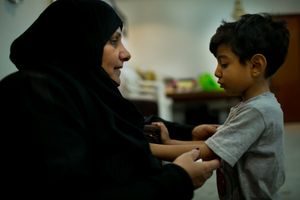
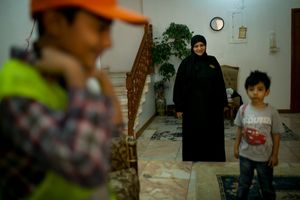
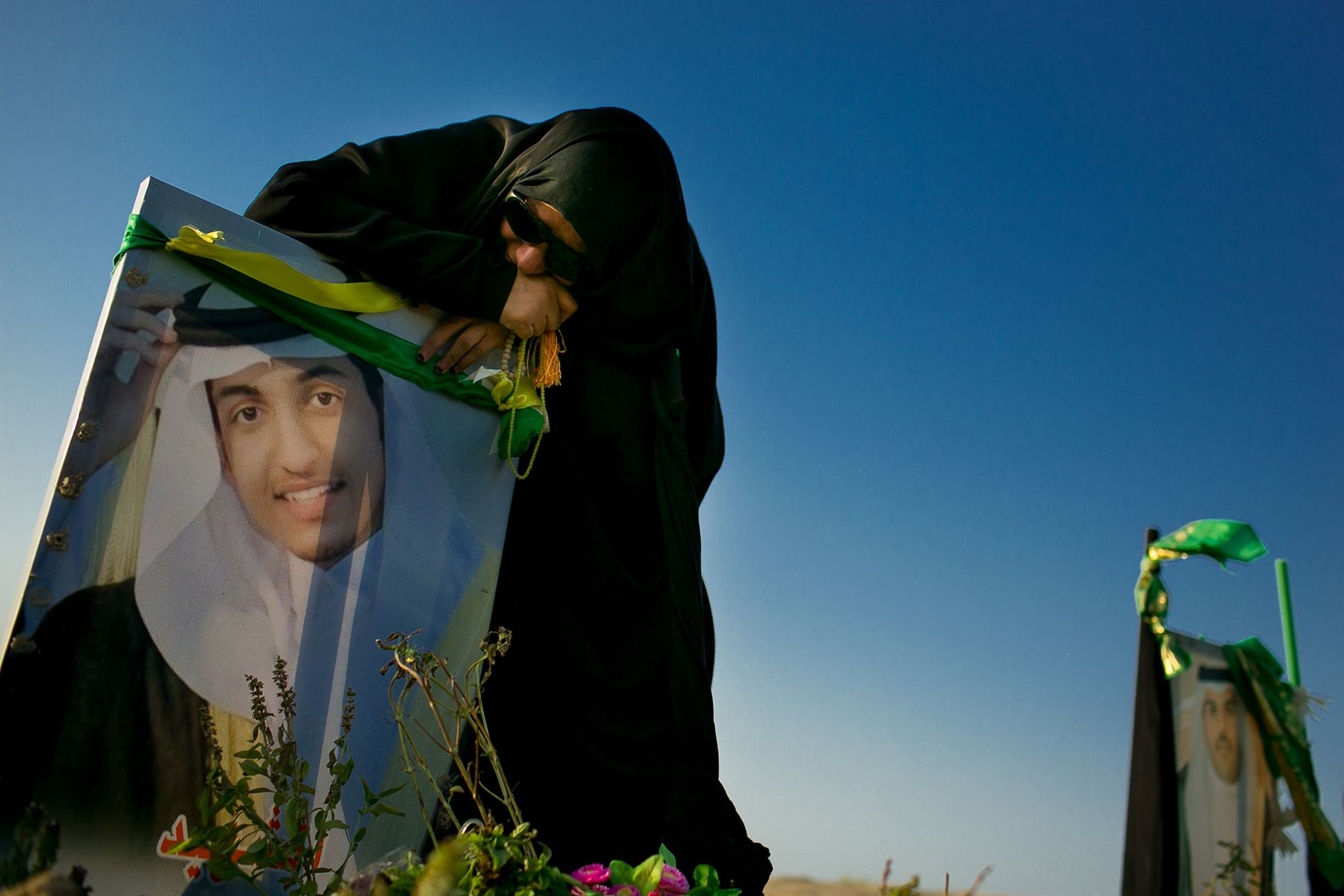
Days later, I met their mother, Um Tahir, whose dignity and grace I’ll never forget. Sitting in her home, she showed me Jaleel’s room, his belongings still infused with his scent. She introduced me to her grandsons, now wearing their father's cap and badge. “I miss him terribly,” she told me, holding back tears. “But I raised my children to love others. And if they hadn’t stepped forward, how many other mothers would be grieving now?”
Her clarity stunned me. She didn’t speak in anger. “Those attackers aren’t Sunni. They’re not Muslim,” she said. “They want to divide us. First the Shia mosques… then the Sunni ones. Just wait.”
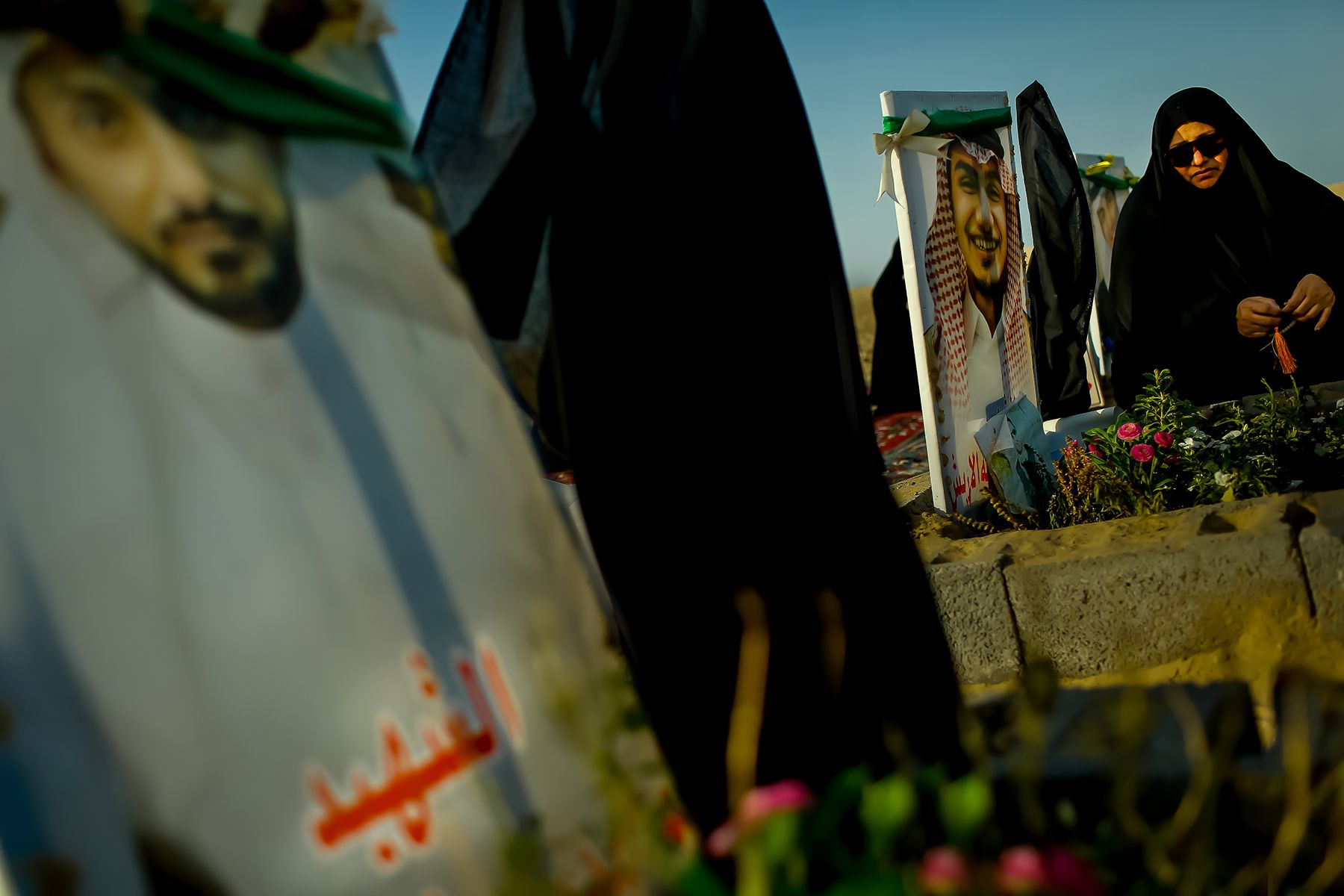
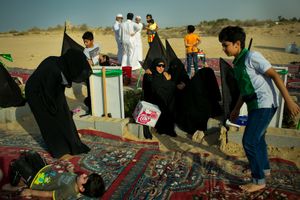
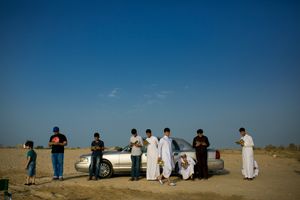
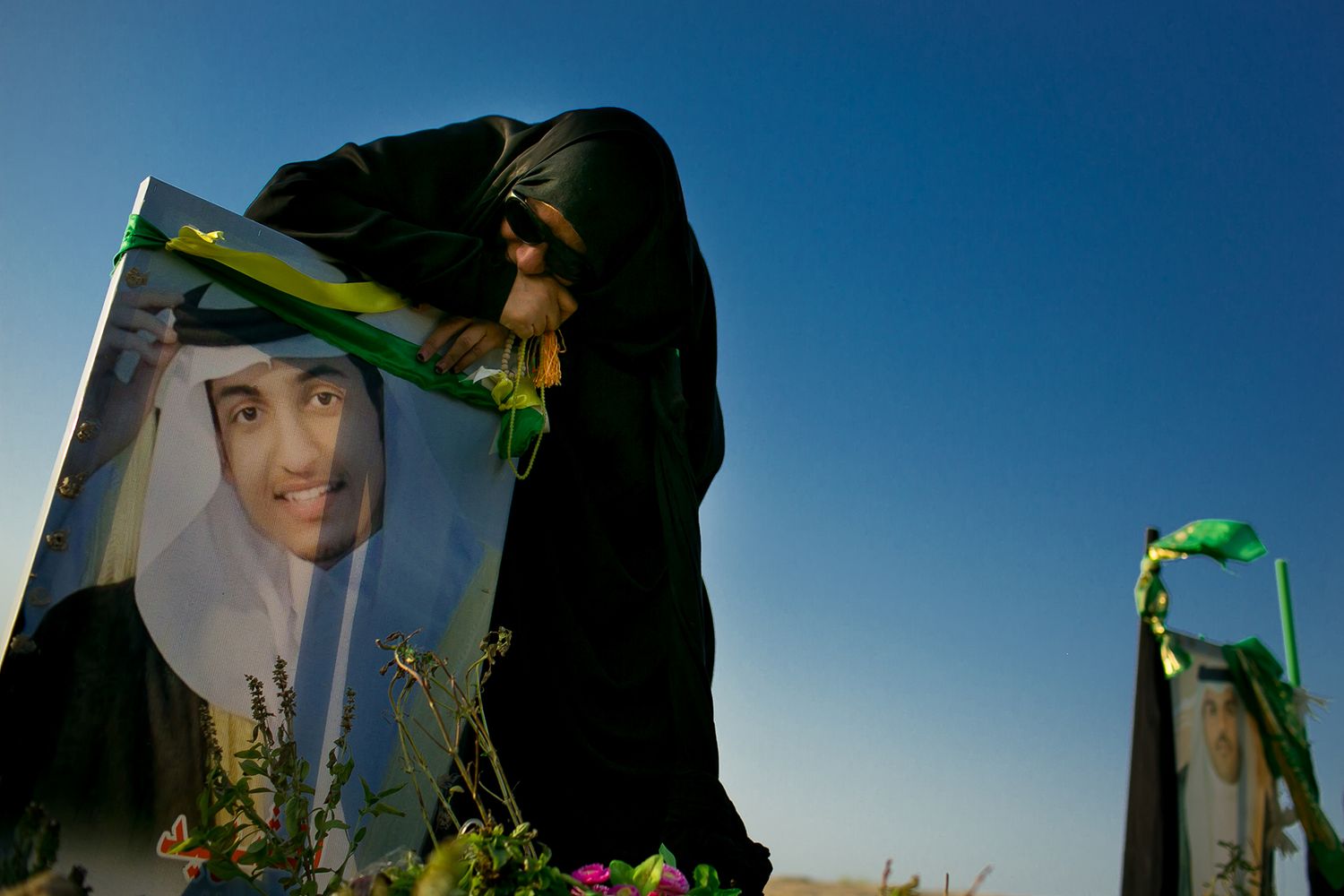
That Friday, I joined Um Tahir and her family at the cemetery—Saudi Arabia’s first officially recognized Shia burial ground. Until then, Shia families had to bury loved ones two hours away, in villages. Now, thanks to public support and royal acknowledgment, four graves stood under fluttering green and black flags. Women sat by the graves reading Qur’an. In contrast to Sunni customs—which discourage women from visiting cemeteries—the Shia community encourages emotional expression and public mourning.
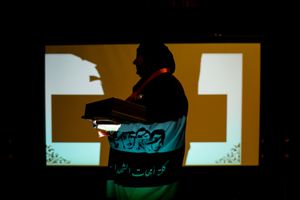
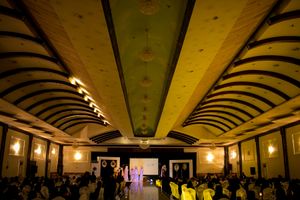
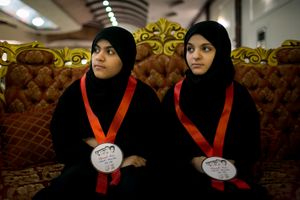
That week, a women-led ceremony was held to honor the four martyrs. Over 200 women gathered in the Eastern Province, many of whom had led summer camps and community work for Shia youth. Each mother of the fallen men was celebrated. Um Tahir addressed the room: “If we love others as much as we love ourselves, the world will be a better place.”
I’ve chosen to share only select images from this story. Some moments—especially those where women are unveiled—remain private. But Um Tahir gave me permission to document and share this story. “I want the world to know,” she told me, “this is a normal Saudi family.” Of course, anyone who met her knew she was anything but ordinary.